August 13, 2026
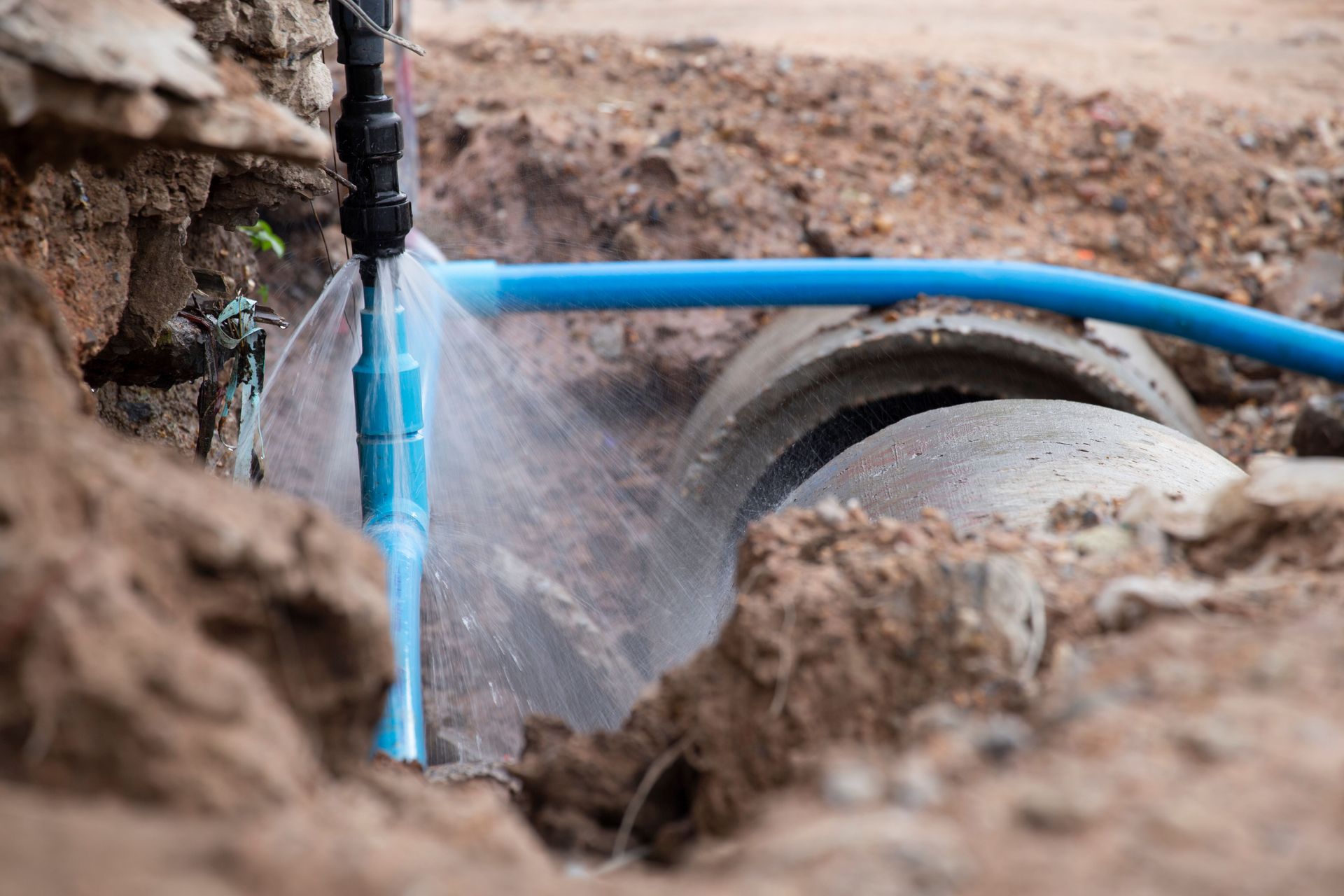
Unnoticed plumbing issues beneath your lawn or building foundation can quietly cause extensive structural harm long before obvious symptoms appear. Small cracks or pinhole leaks gradually weaken surrounding soil, destabilize heavy concrete slabs, and create costly remediation requirements for property owners.
Timely water line repairs protect residential and commercial structures from unexpected utility disruptions and emergency expenses. Investing in continuous plumbing maintenance preserves structural stability, reduces utility costs, and keeps supply networks functioning smoothly.
Underground piping networks endure continuous pressure, temperature fluctuations, and environmental shifting throughout their operational lifespans. Understanding how to manage subsurface infrastructure protects structural investments and guarantees reliable, clean utility flow.
Protect Property Foundations From Hidden Leaks
Undetected subterranean moisture gradually erodes foundational dirt, creating vacant pockets that cause heavy concrete slabs to crack or shift. Unstable soil conditions threaten load-bearing walls, compromise interior floors, and trigger expensive structural repairs across entire properties.
Executing timely water line repairs prevents ongoing moisture accumulation around structural footings and subterranean basements. Swift intervention stabilizes foundational soil, protects structural framing, and eliminates long-term stability hazards.
Continuous exposure to sub-surface moisture encourages rapid mold proliferation within crawlspaces and wall cavities. Damp conditions degrade indoor air quality, warp timber framing, and create hazardous living environments for building occupants.
Persistent underground leakage also increases surrounding soil saturation, accelerating external wall displacement and pavement shifting. Addressing subsurface plumbing issues rapidly preserves structural integrity while avoiding major foundation stabilization expenses.
Subterranean water accumulation can also seep into surrounding utility trenches, risking electrical conduit damage and external drainage backups. Maintaining intact piping networks ensures surrounding infrastructure remains dry, stable, and completely secure.
Identify Early Warning Signs of Underground Damage
Recognizing subtle indicators of sub-surface plumbing failure allows property owners to request professional assistance before major pipe bursts occur. Unexplained increases in monthly utility bills often point directly to continuous, unseen sub-surface leakage.
Soggy patches in lawn areas, damp spots on basement floors, or sudden drops in fixture pressure signal significant sub-surface plumbing failures. Prompt water line repairs mitigate these progressive issues before secondary structural damage expands across the property.
- Unexplained spikes in monthly utility bills
- Persistent damp spots on basement floors
- Sudden drops in overall fixture pressure
- Discolored or foul-tasting tap water
Discolored or murky tap water frequently indicates dirt or rust entering compromised piping through tiny external cracks. Addressing these visual signs quickly restores clean water flow while protecting health and safety.
Strange grinding or whistling sounds emanating from plumbing fixtures when water is turned off also indicate pressure irregularities. Professional diagnostic evaluation isolates subterranean defects quickly, allowing technicians to restore proper flow without delay.
Sinks, tubs, or appliances taking longer than usual to fill can also point toward pressure loss caused by subterranean leaks. Prompt evaluation ensures underlying defects are corrected before complete supply failure occurs.
Schedule Professional Inspections for Aging Infrastructure
Legacy piping materials like galvanized iron or clay gradually corrode, accumulate mineral scale, and deteriorate after extended periods of continuous operation. Older utility systems eventually develop brittle walls that succumb to soil movement and water pressure fluctuations.
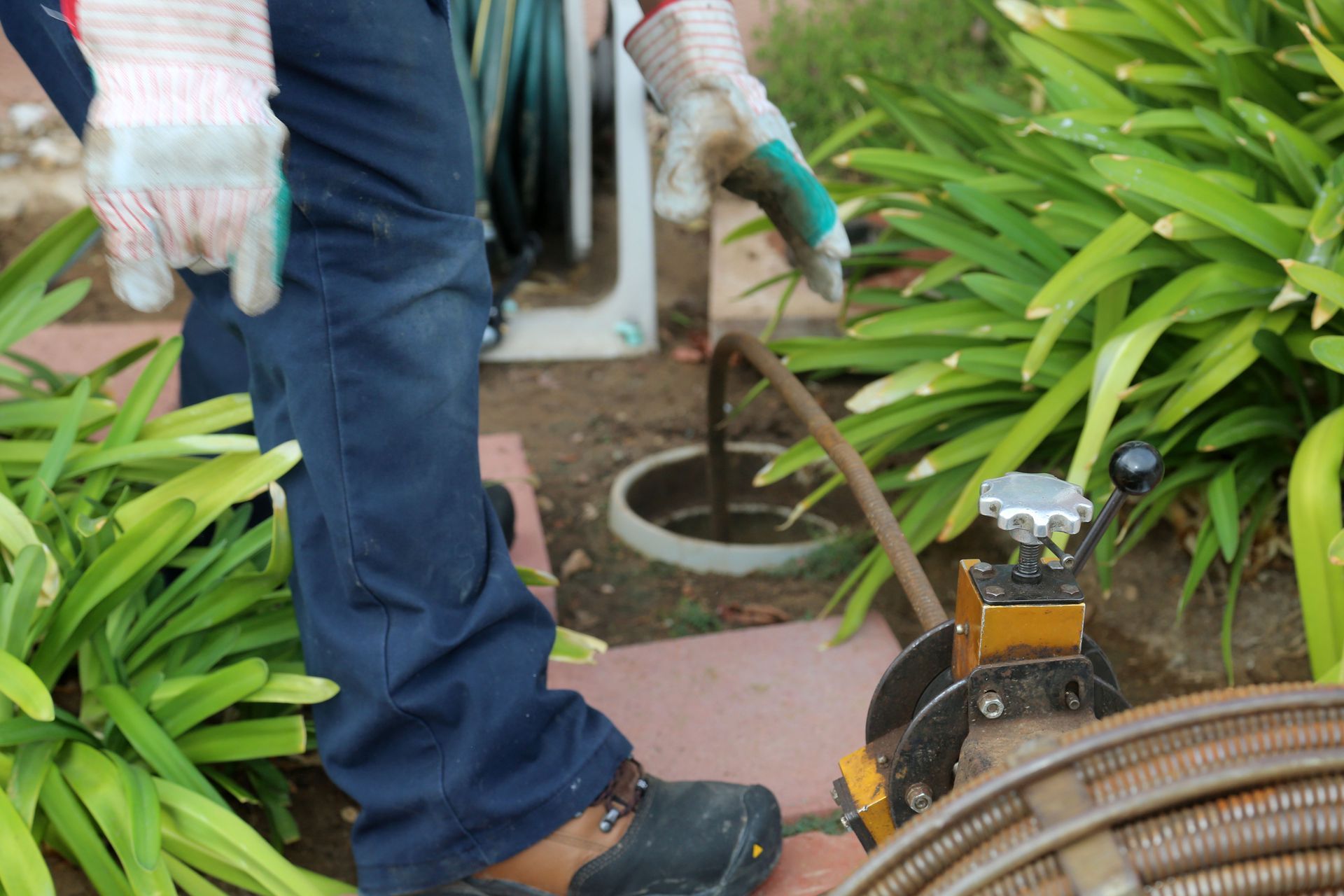
Arranging routine diagnostic checks helps technicians evaluate interior pipe conditions using non-invasive camera equipment. Modern inspection tools pinpoint localized corrosion, hairline fractures, and severe root intrusion without damaging surrounding lawns or driveways.
Investing in planned water line repairs extends total plumbing longevity while preventing catastrophic main line ruptures during peak usage periods.
Technicians utilize acoustic listening devices and pressure testing tools to identify exact leak coordinates accurately. Pinpoint diagnostics minimize excavation work, reducing overall restoration costs and preserving decorative landscaping features.
Systematic evaluation of legacy utility lines provides valuable historical data, helping owners anticipate future maintenance requirements. Proactive management eliminates unexpected utility outages and keeps building plumbing systems operating at peak performance.
Comprehensive structural audits also ensure piping configurations comply with updated municipal plumbing standards. Updating aging utility connections preserves water quality, prevents backflow issues, and supports property resale value.
Prevent Catastrophic Flooding With Timely Interventions
A sudden main line rupture can release massive volumes of water within minutes, inundating basements and lower floors. Rapid flooding destroys electrical systems, ruins valuable personal possessions, and forces temporary property evacuations.
Prioritizing swift water line repairs eliminates severe flooding hazards and keeps internal utility pressure balanced safely. Immediate action protects structural finishes, reduces emergency restoration expenditures, and safeguards indoor property assets.
Ruptured main supply lines also present severe biohazard risks if escaping water contacts surrounding sewage pipes or contaminated soil. Maintaining solid, pressurized supply lines prevents dangerous cross-contamination within domestic drinking supplies.
Emergency flooding events often require costly power shutoffs, structural drying equipment, and specialized mold remediation services. Taking immediate action at the first sign of leakage prevents these extensive secondary damage scenarios entirely.
Property owners who manage subsurface plumbing vulnerabilities proactively protect surrounding structural elements from sudden saturation. Preserving dry subterranean conditions safeguards timber joists, insulation, and interior drywall from water absorption.
Preventing severe flooding also protects outdoor hardscaping, preventing retaining wall collapses, driveway sinking, and patio damage. Maintaining intact underground infrastructure preserves overall exterior property aesthetics and value.
Upgrade Outdated Plumbing Materials to Preserve Quality
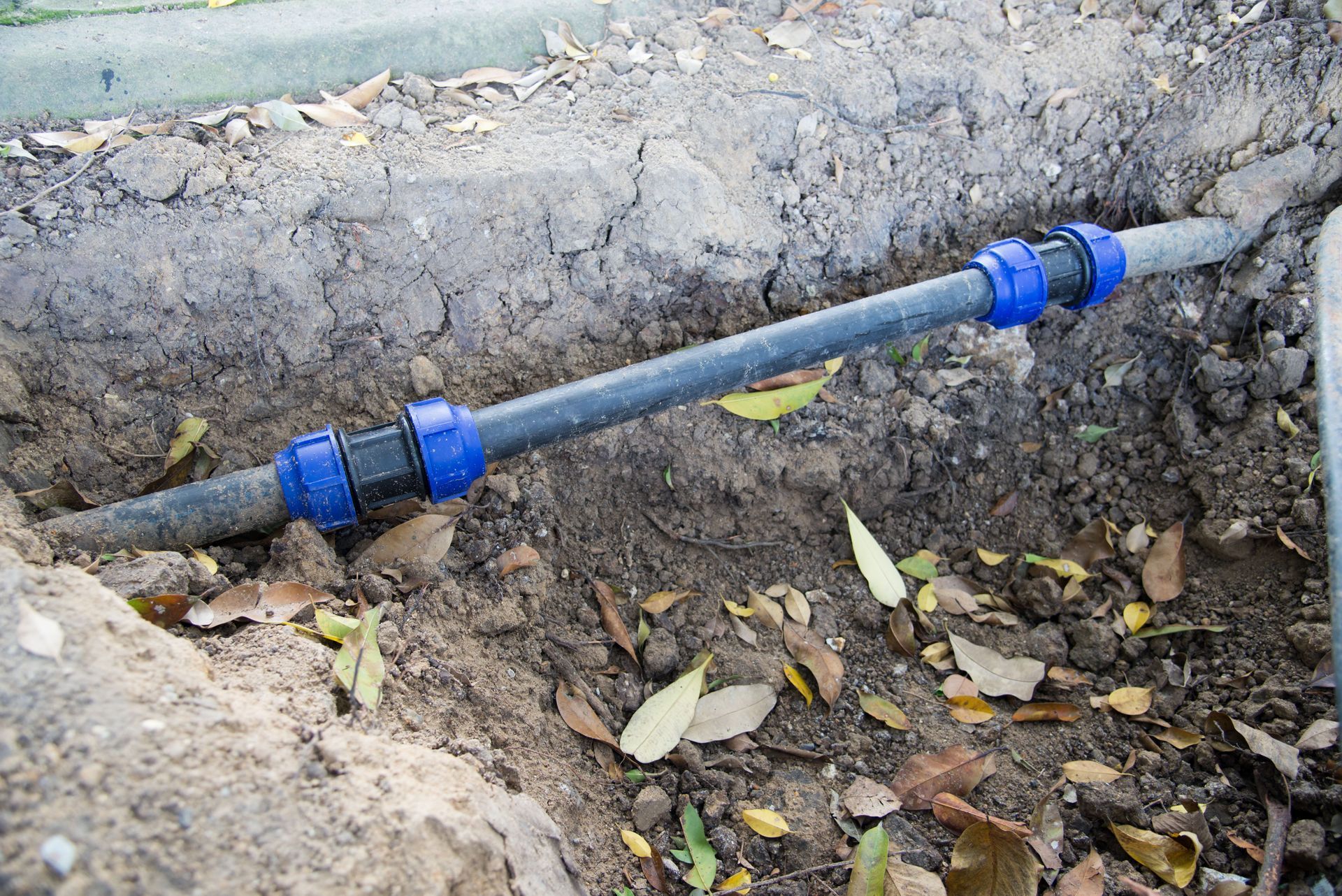
Modern piping options like high-density polyethylene and copper offer superior resistance to corrosion, chemical degradation, and tree root invasion. Upgrading legacy utility lines replaces brittle, dangerous components with durable materials designed for long-term reliability.
Professional technicians execute modern water line repairs utilizing trenchless technology, which minimizes lawn disruption and shortens project timelines. =
Advanced piping materials maintain smooth interior surfaces that reduce friction, preventing mineral scale buildup and maintaining strong, consistent water pressure. =
Trenchless replacement options reduce labor costs, protect existing driveway paving, and preserve mature trees and garden beds. Streamlined installation methods make modern upgrades faster, cleaner, and far less intrusive for property owners.
Upgrading older utility lines also eliminates lead risks associated with legacy joining materials and outdated metal pipes. Modern plumbing standards ensure clean, safe drinking supply delivery across residential and commercial properties alike.
Investing in contemporary piping materials offers peace of mind, knowing underground supply lines resist seismic shifting and severe soil freeze cycles. Modern installations deliver extended periods of dependable, trouble-free operation.
Maintain Surrounding Landscape and External Utilities
Aggressive tree roots naturally seek moisture sources, wrapping around underground utility lines and penetrating small joints or hairline cracks. Controlling root growth near plumbing corridors prevents severe blockages, pipe displacement, and structural breakage.
According to The Spruce, a sprinkler system can be expected to last for about 10 to 15 years before component degradation requires major servicing or replacement.
Coordinating lawn care strategies with routine water line repairs prevents external irrigation leaks from worsening main supply line vulnerabilities. Integrated landscape management keeps subterranean soil moisture levels balanced and stable throughout changing seasons.
- Strategic tree placement far from main utility corridors
- Routine inspection of outdoor backflow preventers
- Installation of physical root barriers along pipe paths
- Seasonal drainage clearing to prevent soil saturation
Proper surface grading directs rainwater away from underground supply pipes, reducing hydrostatic pressure against buried utility lines. Well-managed surface drainage prevents soil shifting and protects buried infrastructure from heavy weather impacts.
Monitoring outdoor utility connections during freezing winter conditions prevents frost heaving from damaging shallow underground lines. Insulating exposed pipe segments and checking outdoor shutoff valves guarantees continuous, freeze-free operation.
Protecting your property against hidden subterranean leaks requires vigilance, timely inspections, and reliable professional plumbing expertise. Addressing minor pipe damage promptly prevents massive structural loss, safeguards building foundations, and maintains uninterrupted water delivery. ==
Contact Arkansas Piping Systems today to schedule a comprehensive utility inspection and keep your water lines running flawlessly.