August 21, 2026
Water line maintenance represents a vital component of preserving residential structural integrity. Over time, buried plumbing infrastructure succumbs to persistent underground pressure, routine material degradation, and environmental changes. These combined factors frequently produce hidden cracks, stubborn blockages, and subtle leaks beneath your property. Remaining attentive to early signs of plumbing distress and scheduling timely water line repair protects your home from severe structural damage while ensuring your daily water flow remains safe and dependable.
Many homeowners overlook the importance of main line upkeep until a minor issue escalates into a major disaster. Ignoring minor supply pipe problems can lead to localized flooding, compromised foundation stability, and ruined interior finishes. Understanding how underground supply pipes behave as they age empowers property owners to take proactive control of their domestic plumbing. Taking immediate action at the first sign of trouble preserves water quality, reduces utility costs, and maintains domestic comfort.
Identify Warning Signs of Pipe Breakdown
Recognizing early warning signs of supply line failure allows homeowners to schedule minor fixes before catastrophic ruptures occur. Sudden drops in water pressure often signal hidden supply leaks, severe interior pipe corrosion, or heavy mineral accumulation along main channels. Discolored tap water presenting red, brown, or yellow hues frequently indicates inner metal corrosion or dirt entering fractured lines. According to HomeGuide, standard main water pipes generally offer a service lifespan of 50 to 100 years depending on the specific building materials used during initial installation, meaning older properties face significantly higher risks of pipe deterioration. Addressing murky water or pressure drops immediately helps identify localized defects before widespread replacement becomes necessary.
Unusual sounds and strange odors emanating from household drains or fixtures also point toward serious line vulnerabilities. Rattling, whistling, or loud banging sounds inside walls indicate loose components, shifting pressure thresholds, or trapped air pockets. Persistent foul odors often stem from stagnant moisture buildup or bacterial growth surrounding cracked main lines. In addition, pooling water across yards or under indoor sinks provides clear physical proof of structural failure. Detecting unexplained wet spots on lawns or soggy patches along interior floors demands quick investigation. Addressing these warning signs promptly ensures that professional water line repair restores optimal performance to your plumbing network.
Understand Common Causes of System Failure
Understanding the underlying causes of plumbing deterioration helps property owners anticipate service requirements and safeguard underground pipes. Continuous chemical reactions between flowing water and metal surfaces trigger interior rust, gradually thinning pipe walls and creating pinhole leaks. Beyond chemical corrosion, surrounding environmental factors actively threaten underground line integrity. Aggressive tree roots continuously search for moisture, forcing their way into micro-cracks and causing massive blockages or severe structural breaks. Moving earth resulting from natural soil erosion or ground shifting places immense mechanical stress on rigid subterranean pipes.
Temperature swings also exert extreme strain on buried water supply structures during seasonal shifts. Freezing temperatures force trapped liquid to expand within supply lines, often causing rigid pipes to fracture or split completely. Substandard installation practices during initial construction create long-term operational vulnerabilities as well. Poorly sealed joints, improper pipe alignment, and inadequate foundational support make systems far more susceptible to early failure. Recognizing how these environmental and physical factors damage supply pipes highlights why routine water line repair remains critical for long-term home preservation.
Recognize Hidden Risks of Delayed Maintenance
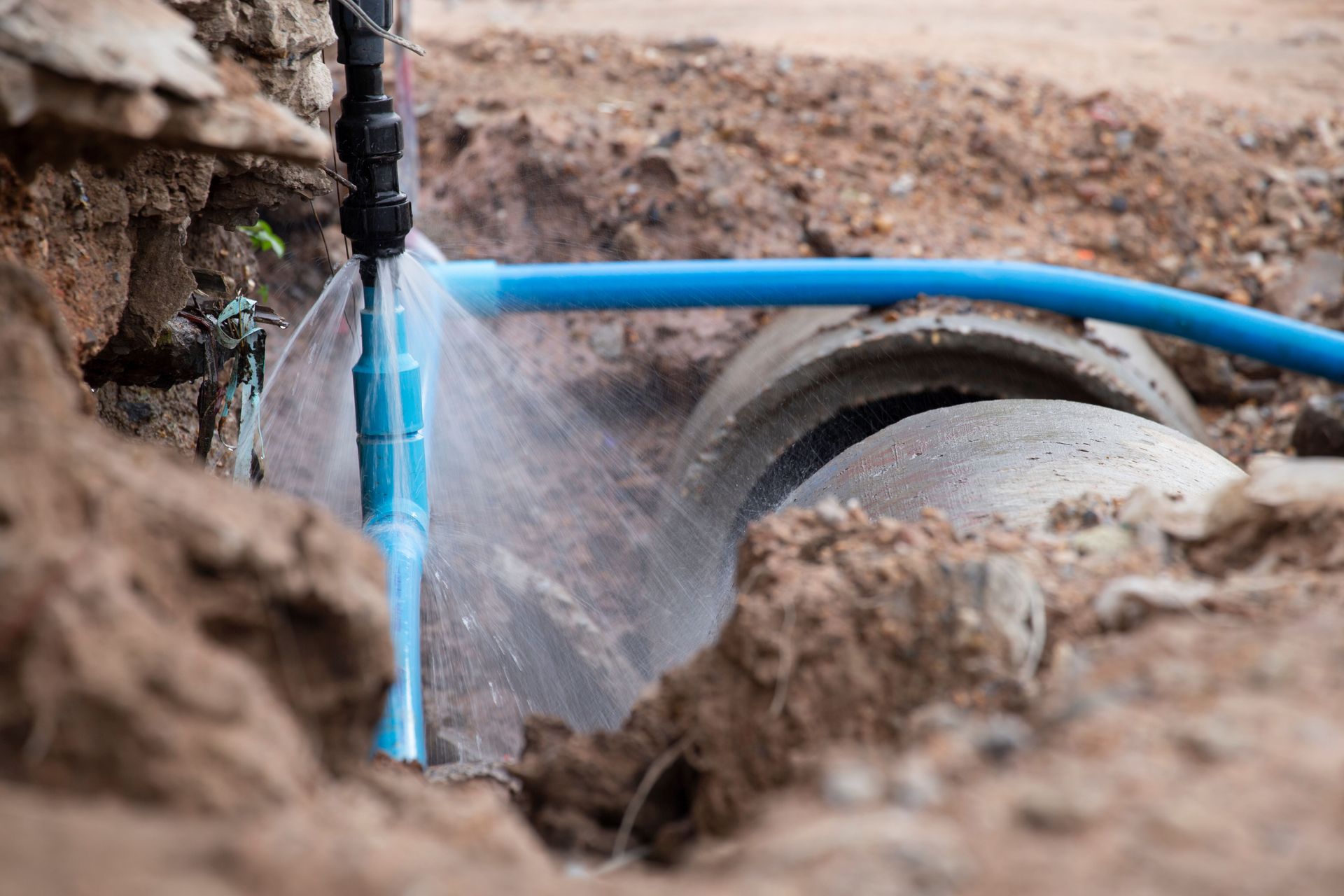
Postponing necessary supply pipe maintenance introduces severe risks that extend far beyond minor inconvenience. Small pinhole leaks left unaddressed gradually erode surrounding soils, undermine concrete slabs, and weaken home foundations. Continuous water leakage inside walls or crawl spaces promotes rapid mold and mildew growth, creating airborne health hazards for household residents. Moisture accumulation can quietly destroy drywall, ruin wooden flooring, and damage expensive personal belongings long before visible surface dampness appears.
Neglecting supply system degradation also compromises household drinking water safety. Fractured subterranean pipes allow surrounding soil contaminants, exterior groundwater, and dangerous bacteria to enter clean water streams. Impaired water quality threatens family health while accelerating the internal wear of water heaters, washing machines, and dishwashers. Allowing supply defects to deteriorate unchecked dramatically increases the probability of complete line collapses. Investing in early water line repair prevents catastrophic system failures and protects overall household safety.
Evaluate Short-Term Repairs Versus Full Replacement
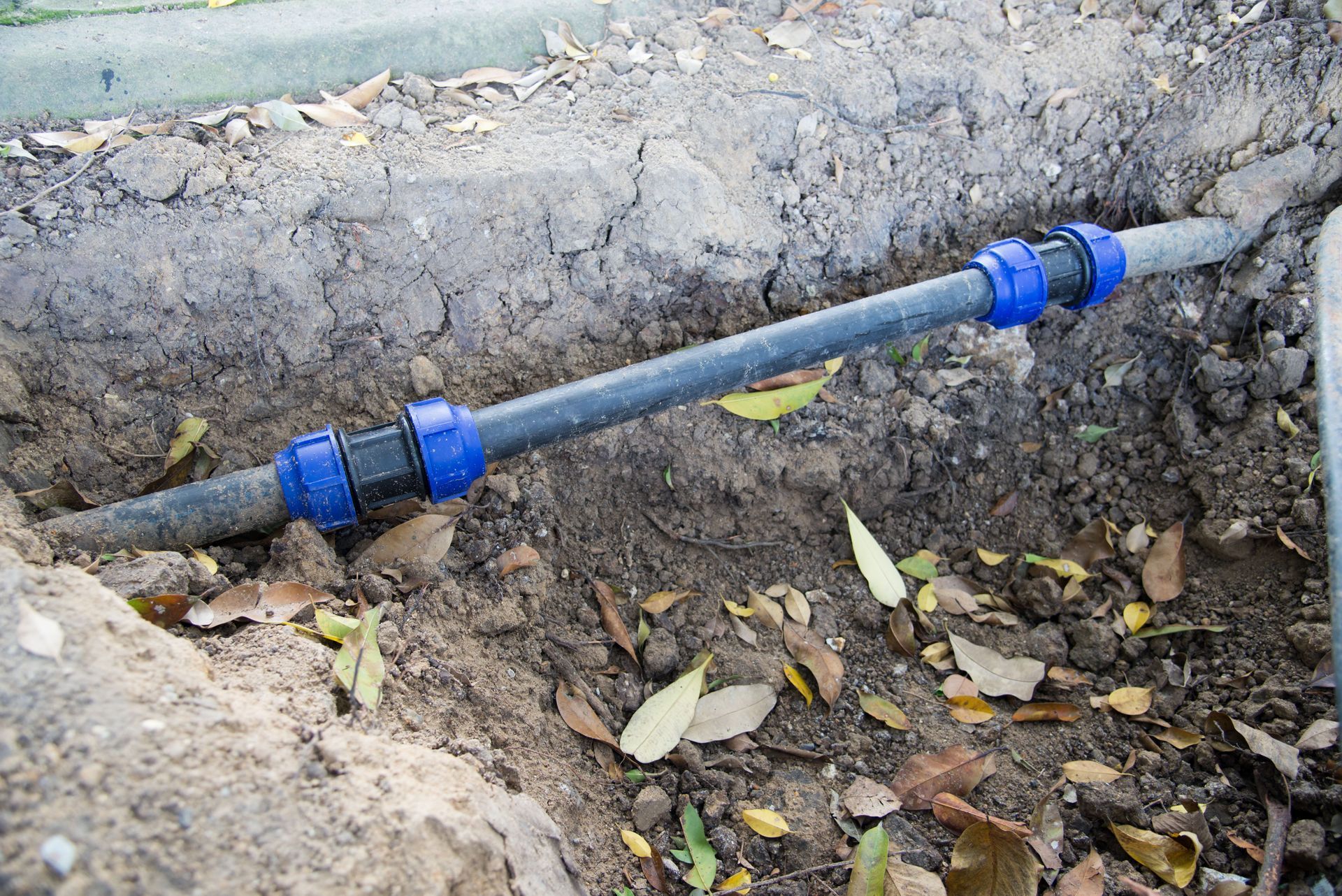
Determining whether localized fixes or total line replacement offers the best long-term outcome requires careful system evaluation. Older plumbing systems constructed from outdated materials like galvanized iron or lead present recurring leaks and health risks. Replacing aging line segments with modern options such as copper or flexible polyethylene restores system reliability and improves water flow. Evaluating the physical extent of existing damage helps clarify whether targeted water line repair can restore full functionality or if complete replacement is necessary.
Cost considerations play a major role in choosing the appropriate service path for aging residential pipes. While localized repairs require a lower initial financial investment, repeated fixes on decaying lines quickly accumulate substantial long-term expenses. Replacing a severely degraded main line provides superior durability, reduced maintenance demands, and improved energy efficiency. Professional plumbing technicians conduct thorough site assessments to help homeowners weigh immediate repair expenses against long-term operational savings. Selecting modern materials ensures stable water supply systems that meet modern building codes.
Choose Between DIY Solutions and Professional Care
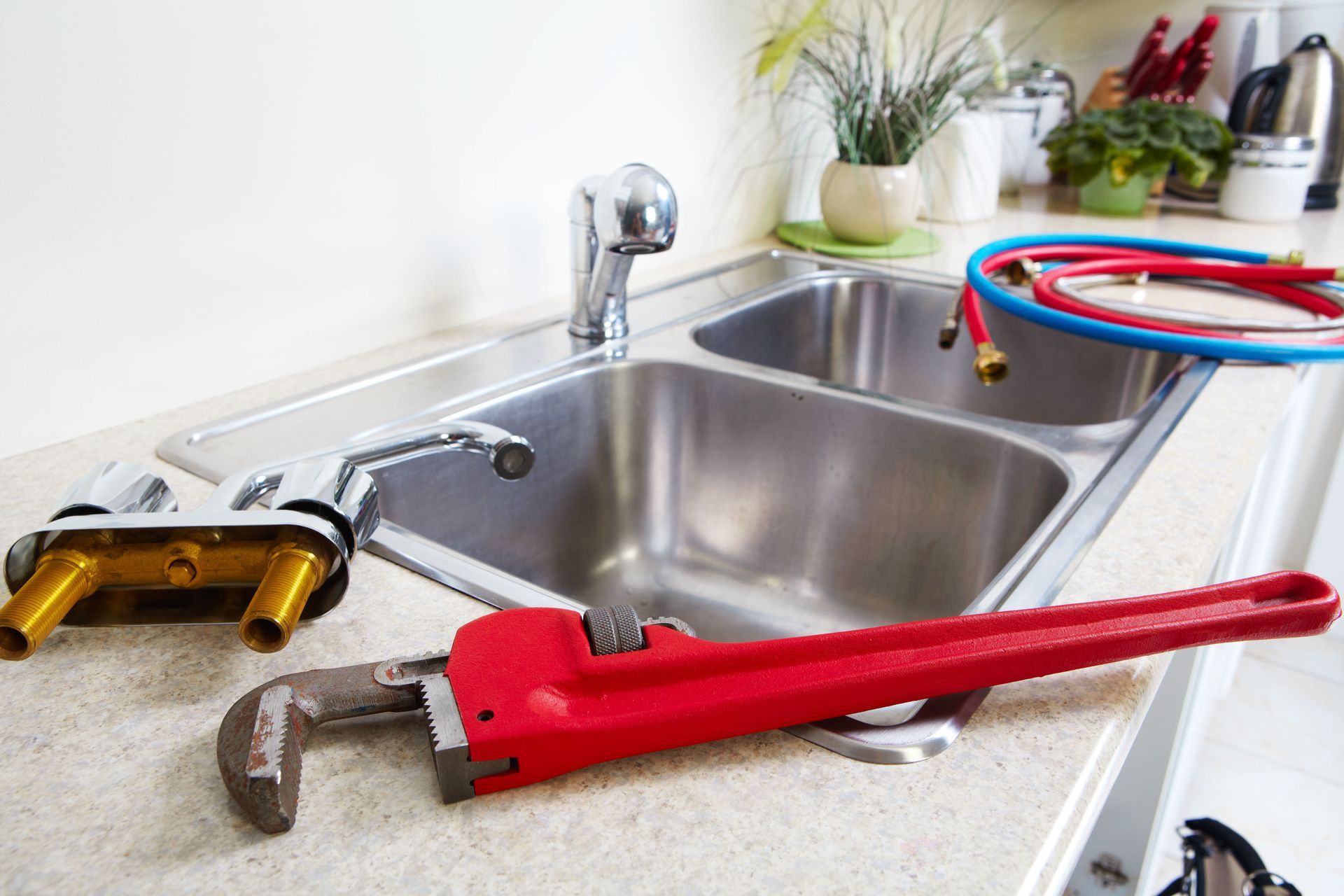
Distinguishing between simple plumbing tasks and complex underground projects is essential for maintaining safety and property value. Homeowners can comfortably resolve minor issues such as replacing worn faucet washers or clearing simple sink drain clogs. However, working on primary supply lines requires specialized excavation equipment, professional diagnostic tools, and comprehensive knowledge of municipal codes. Attempting complex main line fixes without adequate training risks severe property damage, local utility disruptions, and serious personal injuries.
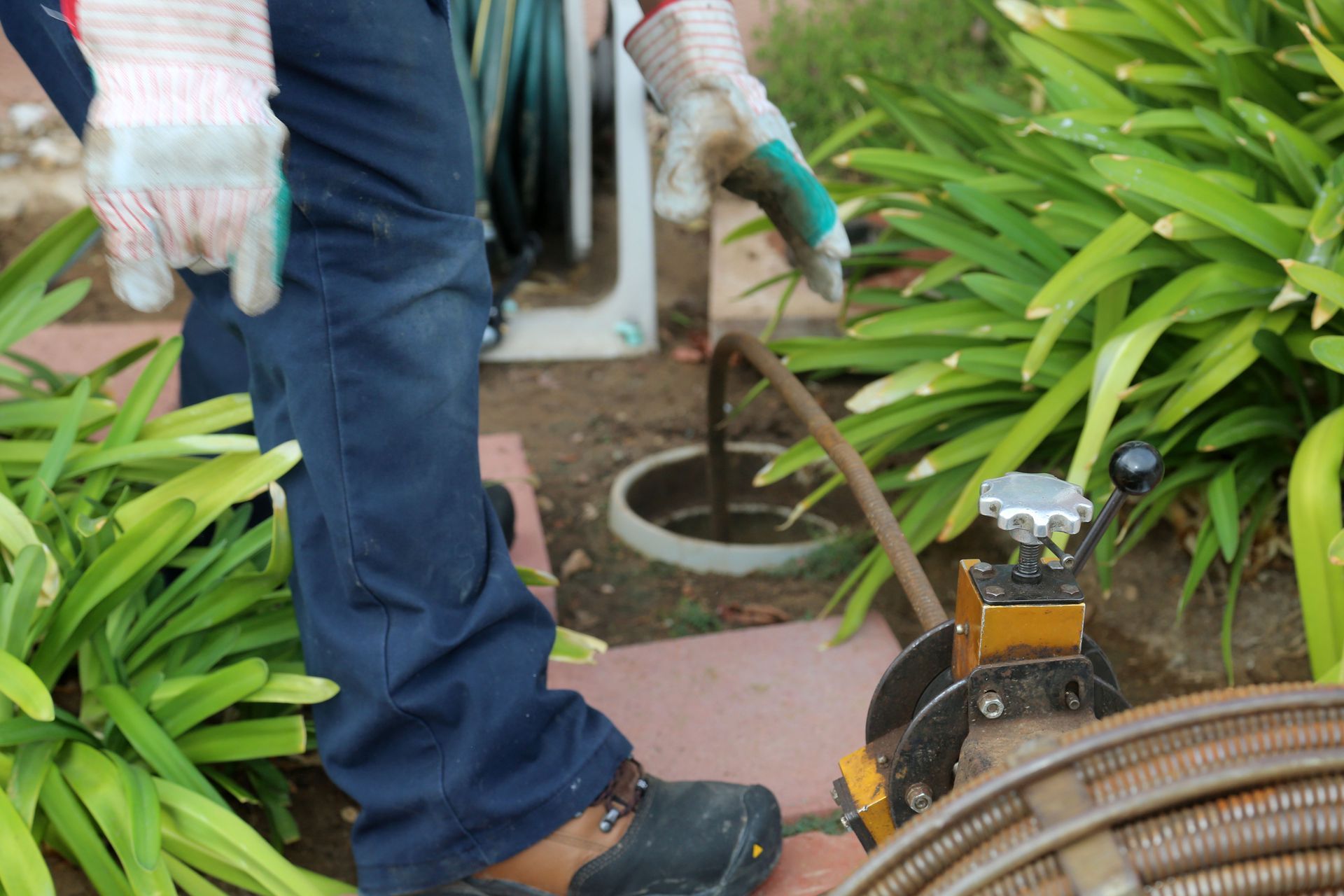
Hiring certified plumbing professionals ensures accurate diagnostic assessments and high-quality craftsmanship. Expert technicians utilize advanced video inspection cameras to pinpoint exact leak locations without unnecessary ground excavation. Professional repairs adhere strictly to local plumbing regulations and safety standards, protecting homeowners from expensive code violations. Entrusting your property to qualified specialists for water line repair guarantees long-lasting solutions and delivers invaluable peace of mind.
Implement Proactive Steps for System Health
Adopting proactive plumbing maintenance habits prevents unexpected supply line failures and extends system operational lifespans. Scheduling routine professional inspections enables early detection of subtle pressure variations, tiny leaks, and minor joint weaknesses. Modern diagnostic tools detect structural vulnerabilities well before severe pipe damage occurs. Requesting preventative plumbing maintenance at the first indication of line wear protects surrounding landscaping and preserves interior finishes.
Establishing sensible everyday usage habits within the household provides another layer of protection for residential plumbing. Avoiding harsh chemical drain cleaners prevents chemical corrosion inside metallic pipes, while installing pressure-reducing valves mitigates excessive line stress. Educating family members about proper waste disposal and prompt leak reporting helps maintain healthy plumbing infrastructure. Taking deliberate preventative measures reduces long-term maintenance costs and maintains reliable water access across your home.
Secure Your Plumbing System Infrastructure
Maintaining aging residential plumbing requires ongoing attention, proactive care, and timely expert intervention. Learning to identify subtle signs of pipe degradation and understanding the major causes of supply line failure enables homeowners to protect their real estate investments. Promptly resolving minor leaks with professional water line repair ensures long-term system efficiency, protects property structures, and safeguards drinking water quality.
Investing in preventative maintenance and working with licensed plumbing experts eliminates the stress of sudden pipe failures. Protecting your household water infrastructure provides long-term safety, comfort, and operational reliability. When you are ready to secure your home plumbing network, contact us at Arkansas Piping Systems to schedule your comprehensive system evaluation.