July 20, 2026
Residential water systems require consistent professional care to remain fully functional over time. From hidden lines behind walls to visible fixtures in modern kitchens and bathrooms, household infrastructure demands specialized oversight to prevent long-term deterioration. Homeowners frequently encounter minor operational disruptions that can quickly escalate into major structural hazards if left unaddressed by qualified specialists. Understanding the mechanics of modern distribution networks requires an advanced appreciation for structural logistics, pressure management, and material wear. Because these integrated systems are completely interconnected, a single failure in one area can easily trigger widespread operational challenges across an entire property, disrupting daily routines and compromising household safety.
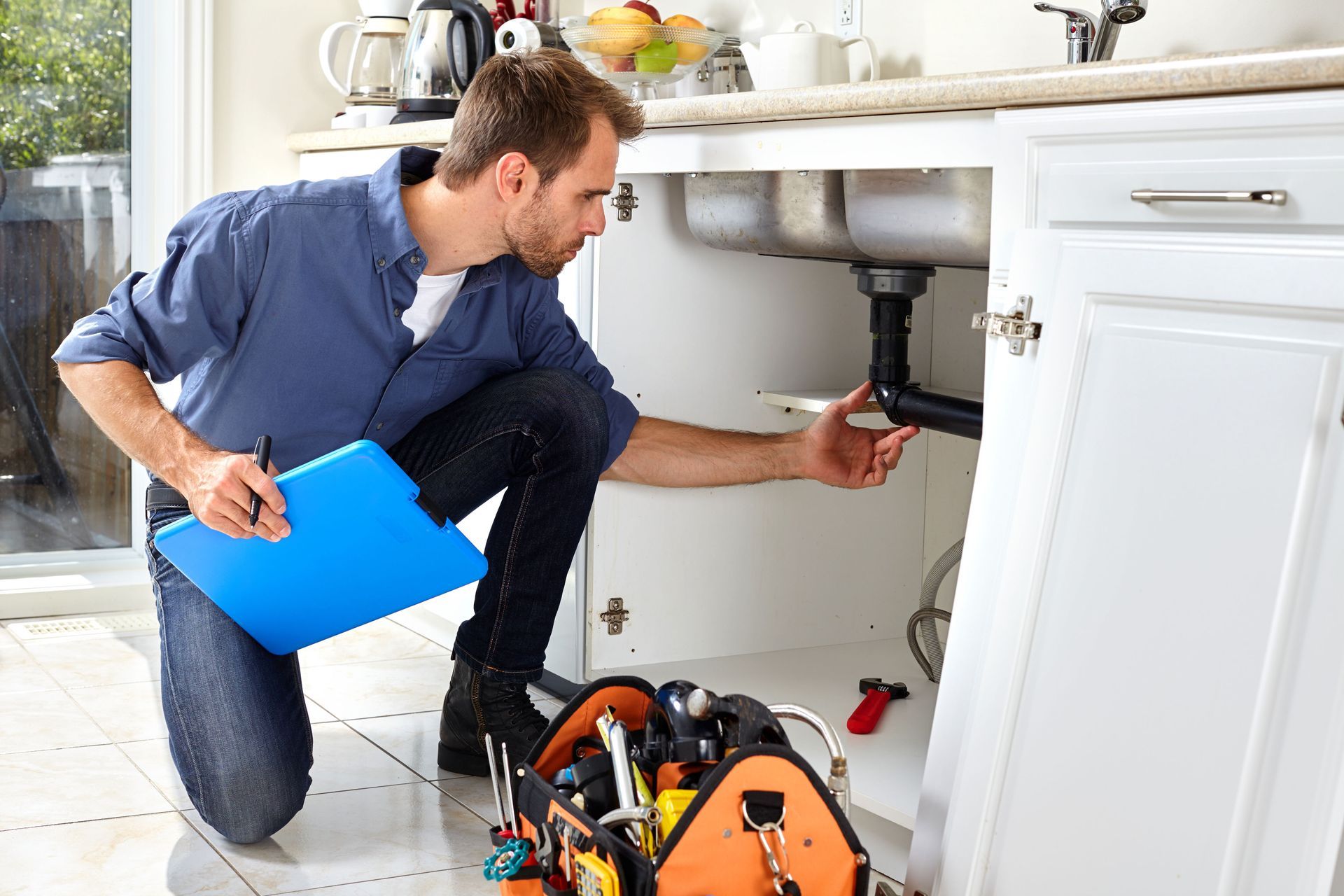
When systemic issues manifest, modern plumbing companies serve as essential resources for property preservation and ongoing operational stability. These firms bring advanced diagnostic equipment and certified skills to resolve complex structural challenges across diverse residential layouts. By addressing issues at their root rather than merely managing superficial symptoms, professional teams protect long-term residential investments from severe water damage and structural decay. Relying on professional expertise ensures that diagnostic assessments are completely accurate and subsequent repairs satisfy regulatory guidelines.
Detecting and Fixing Hidden Household Leaks
Unseen water loss represents a major threat to structural stability and financial predictability within modern residential properties. Slow drops behind drywall or beneath flooring material can silently erode wood, encourage hazardous mold development, and compromise structural foundations before anyone notices an issue. Specialized diagnostic processes are necessary to uncover these hidden problems without causing unnecessary destruction to surrounding property assets. Experts utilize advanced acoustic listening devices alongside thermal imaging cameras to pinpoint exact areas of failure within a wall cavity or under concrete slabs. This level of precision minimizes exploratory demolition, allowing for targeted interventions that preserve the aesthetic and structural integrity of the residence.
Modern plumbing companies utilize these advanced methodologies to ensure that residential infrastructure remains completely intact during structural updates and necessary repairs. With around 132,000 plumbing businesses operating in the United States, according to Jobber, these professionals are equipped to manage a range of plumbing challenges efficiently. Their expertise helps maintain the quality and functionality of household water systems, safeguarding the well-being of inhabitants. Resolving these issues early prevents escalating utility expenses and avoids the extensive restoration work required after catastrophic failures occur within a property.
Clearing Obstructed Residential Drainage Networks
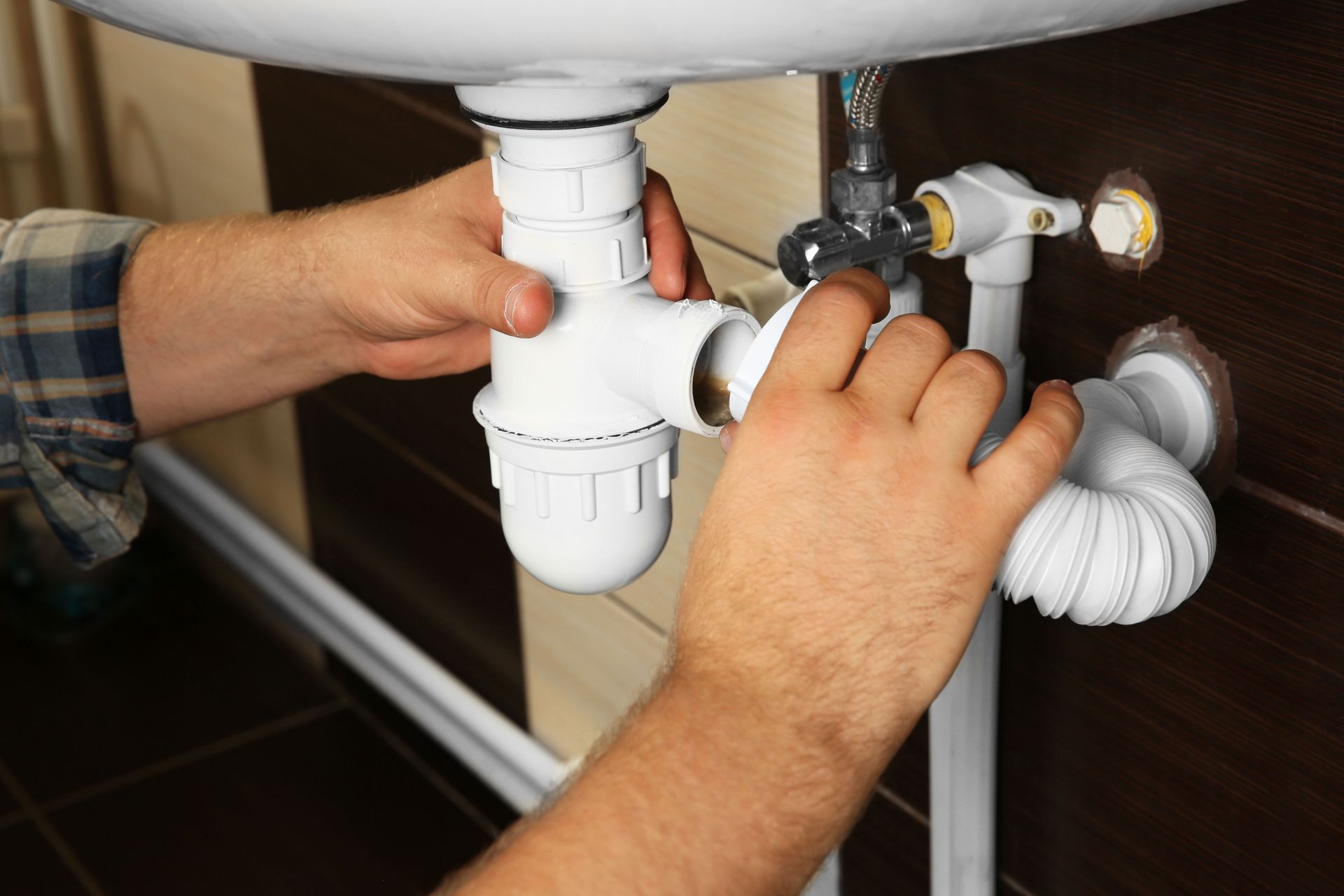
Slow drainage in sinks, showers, and tubs is a frequent inconvenience that often points to deeper systemic blockages within the home. Over time, internal lines accumulate organic material, soap residue, mineral deposits, and hair, which gradually constrict water passage through the network. When these blockages are ignored, the resulting internal pressure can cause localized failures or unsanitary backups that compromise household hygiene and comfort. Professional interventions utilize specialized digital cameras inserted directly into lines to observe the precise nature of an internal obstruction. This visual data ensures that the subsequent clearing method perfectly matches the specific type of blockage present inside the pipe infrastructure.
To achieve a thorough clearance, certified plumbing companies implement heavy-duty mechanical augers and high-pressure hydro-jetting systems designed for deep cleaning. These industrial tools scour the inner walls of a pipe, removing decades of accumulation without endangering the structural soundness of the distribution network. Unlike temporary solutions that merely punch small holes through debris, comprehensive mechanical cleaning restores lines to their original diameter and flow capacity. This proactive restoration dramatically reduces the likelihood of recurring blockages and maintains consistent flow rates throughout the entire residential property.
Regulating Internal Water Pressure Systems
Inconsistent water pressure can disrupt daily household routines and reduce the overall efficiency of modern major appliances. Low pressure often stems from localized mineral buildup, hidden line degradation, or municipal delivery fluctuations that require careful professional assessment and diagnosis. Conversely, excessively high pressure poses a silent threat, placing immense stress on joints, valves, and appliances like dishwashers and water heaters. Over time, unmanaged high pressure accelerates component fatigue, leading to premature equipment failure and sudden structural ruptures within walls. Evaluating these dynamics requires sophisticated gauges and diagnostic knowledge to determine whether an issue is isolated or widespread throughout the building.
Professional plumbing companies address these imbalances by installing specialized pressure-reducing valves or sophisticated booster pumps tailored to a home's specific layout. These devices normalize incoming flow, keeping internal metrics within safe operational parameters to protect sensitive residential machinery from premature wear. In multi-story properties, maintaining uniform distribution requires careful calibration to ensure upper levels receive adequate flow without over-pressurizing lower lines. Balancing these networks protects major investments and optimizes water conservation efforts across the household, reducing waste.
Upgrading and Repairing Compromised Pipelines
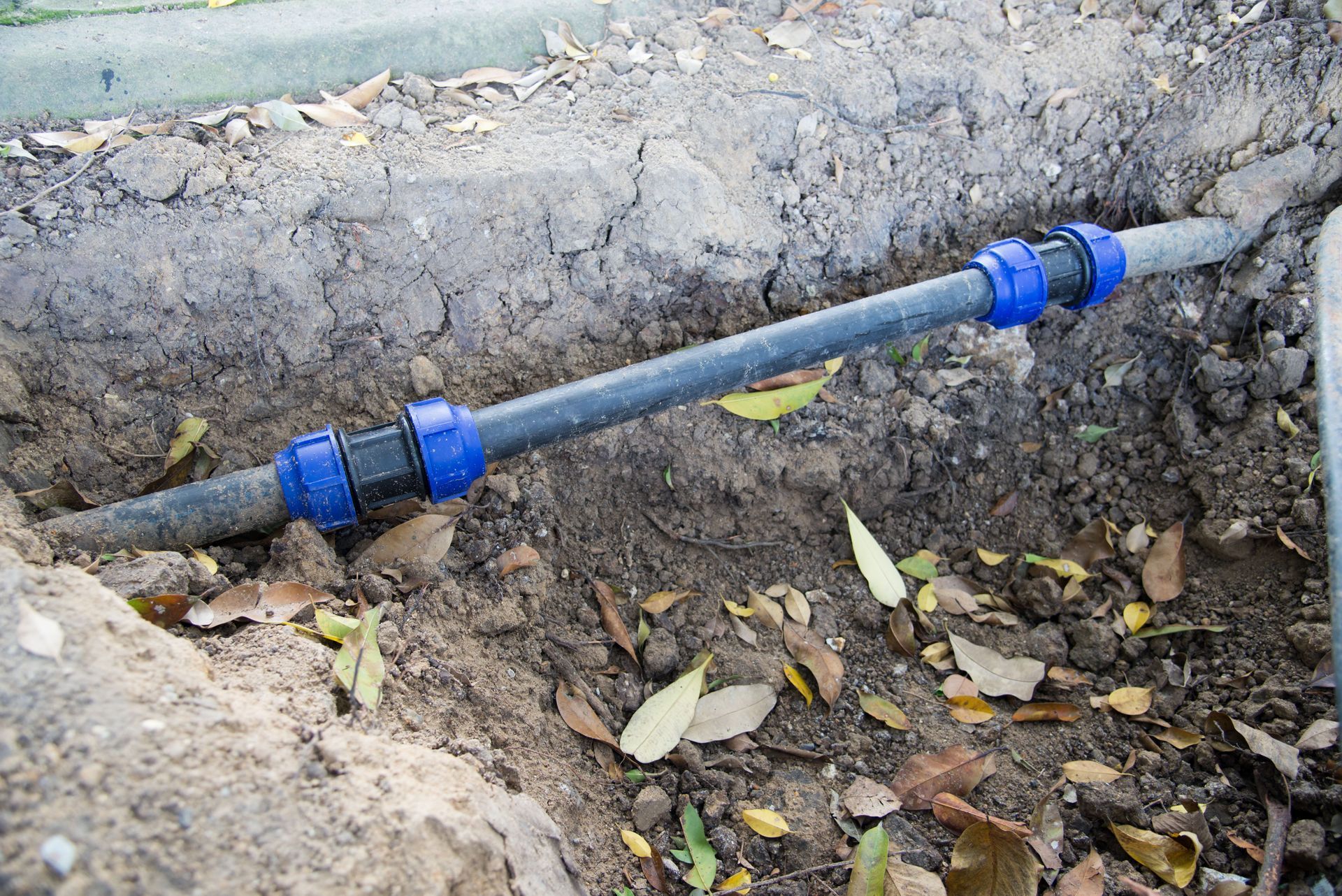
Aging infrastructure eventually demands structural renewal as distribution lines succumb to corrosion, shifting soil, or continuous thermal expansion. Left unmanaged, deteriorating distribution systems can result in frequent failures, discolored water, and reduced flow capacity throughout a residence. Identifying the exact state of underground or embedded lines requires comprehensive diagnostic examinations using fiber-optic camera technology handled by professionals. This detailed inspection allows technicians to evaluate structural soundness and determine whether localized repairs or complete line updates are necessary. Selecting high-grade materials like copper or cross-linked polyethylene ensures that new lines possess the durability required to withstand decades of continuous operation.
Experienced plumbing companies execute these complex infrastructure upgrades utilizing modern trenchless methodologies whenever feasible to avoid disruptive excavation across properties. Techniques such as pipe bursting or epoxy lining allow for complete restoration without destroying manicured landscapes, driveways, or expensive flooring. This advanced approach significantly reduces labor requirements and shortens project timelines, returning properties to normal operation with minimal delay or inconvenience. Investing in professional line modernization enhances overall property value and guarantees a reliable supply of clean water for generations. Clear communication throughout the process ensures that homeowners fully comprehend the scope and benefits of their structural upgrades.
Optimizing Thermal Distribution and Water Heaters
Reliable access to heated water is fundamental to modern residential sanitation and comfort, making water heater reliability a primary priority. These complex appliances operate under continuous thermal strain and pressure, rendering them vulnerable to sediment accumulation and component degradation over time. Signs of operational decline include unusual knocking sounds within the tank, temperature fluctuations, and visible external moisture around connections. Professional technicians address these warning signs by conducting comprehensive system flushes to remove performance-inhibiting sediment deposits from the tank. Routine maintenance also involves checking sacrificial anode rods and validating thermostat calibrations to maximize overall heating efficiency and safety.
Dedicated plumbing companies evaluate existing thermal configurations to recommend ideal updates, such as transitioning from traditional tank systems to modern tankless models. Tankless alternatives provide on-demand heating, drastically reducing energy expenditure while freeing up valuable spatial square footage within a residential layout. Technicians ensure that any new installation complies with strict local safety regulations and venting requirements, preventing hazardous gas accumulation or electrical overloads. Consistent professional oversight guarantees that heating systems perform reliably during peak usage periods throughout the coldest months of the year.
Maintaining a sound residential infrastructure demands a proactive approach to diagnostic care and timely structural interventions across the property. From resolving hidden leaks to upgrading outdated distribution lines, professional expertise remains indispensable for protecting property value and ensuring occupant safety. Ignoring minor symptoms often leads to catastrophic structural damage that requires extensive and costly restoration efforts by restoration teams.
When facing residential system concerns, engaging specialized
plumbing companies ensures that every component functions at peak efficiency throughout the year. For comprehensive maintenance, system evaluations, and dependable repair solutions tailored to your unique infrastructure, contact Arkansas Piping Systems today to schedule a professional consultation. Taking proactive action now guarantees that your property remains fully protected, functional, and efficient for years to come, providing true peace of mind.