July 18, 2026
Water management plays a major role in protecting your home from costly damage. Excess water around a property can weaken foundations, damage landscaping, and create moisture problems. French drains provide an effective drainage solution by redirecting water away from vulnerable areas and helping homeowners maintain a safer property.
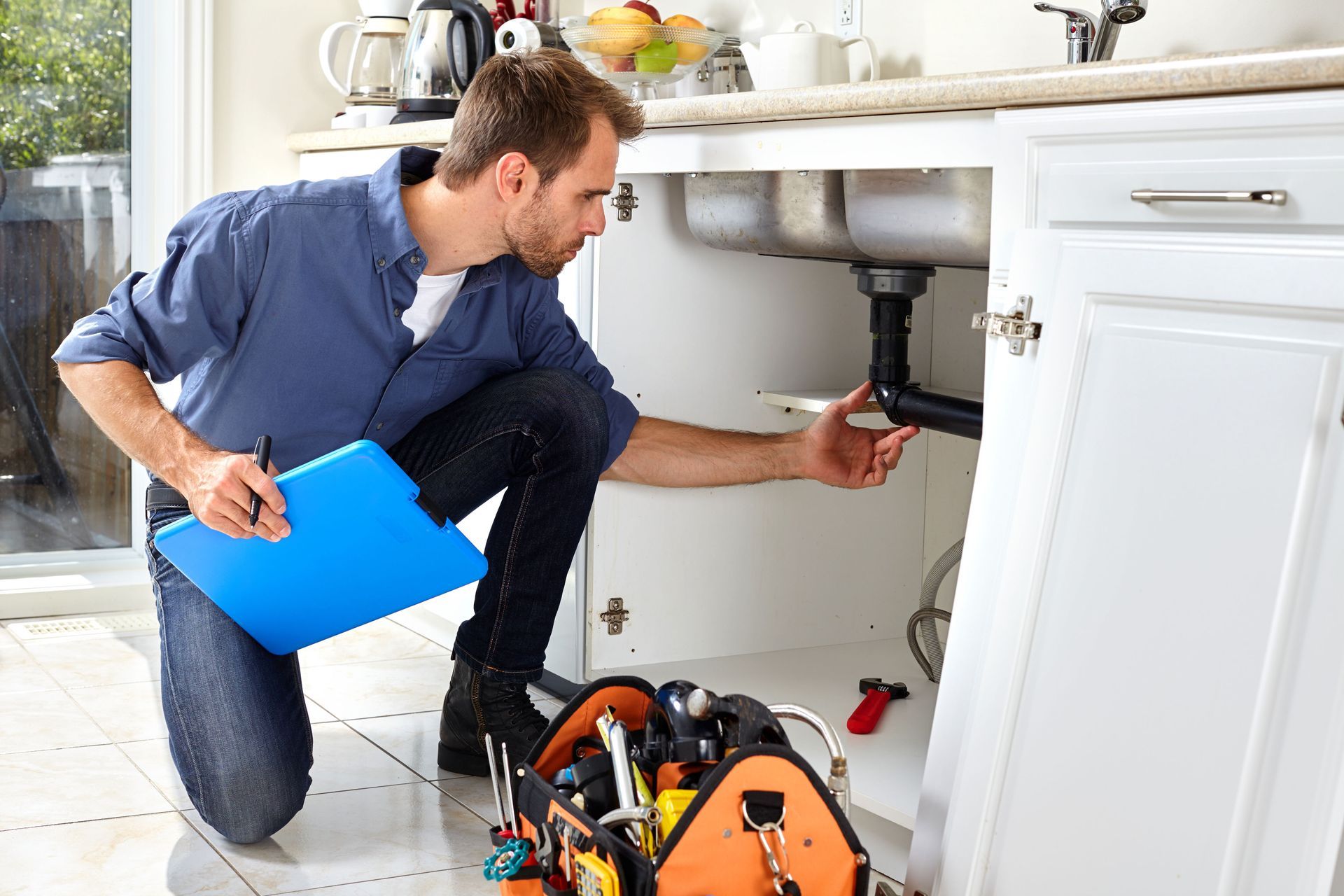
Many homeowners rely on professional drainage solutions because poor water control can lead to expensive repairs. Working with local plumbing companies can help determine whether a French drain is the right choice for your property and ensure the system is designed for your specific needs.
What Is a French Drain?
Definition and Purpose
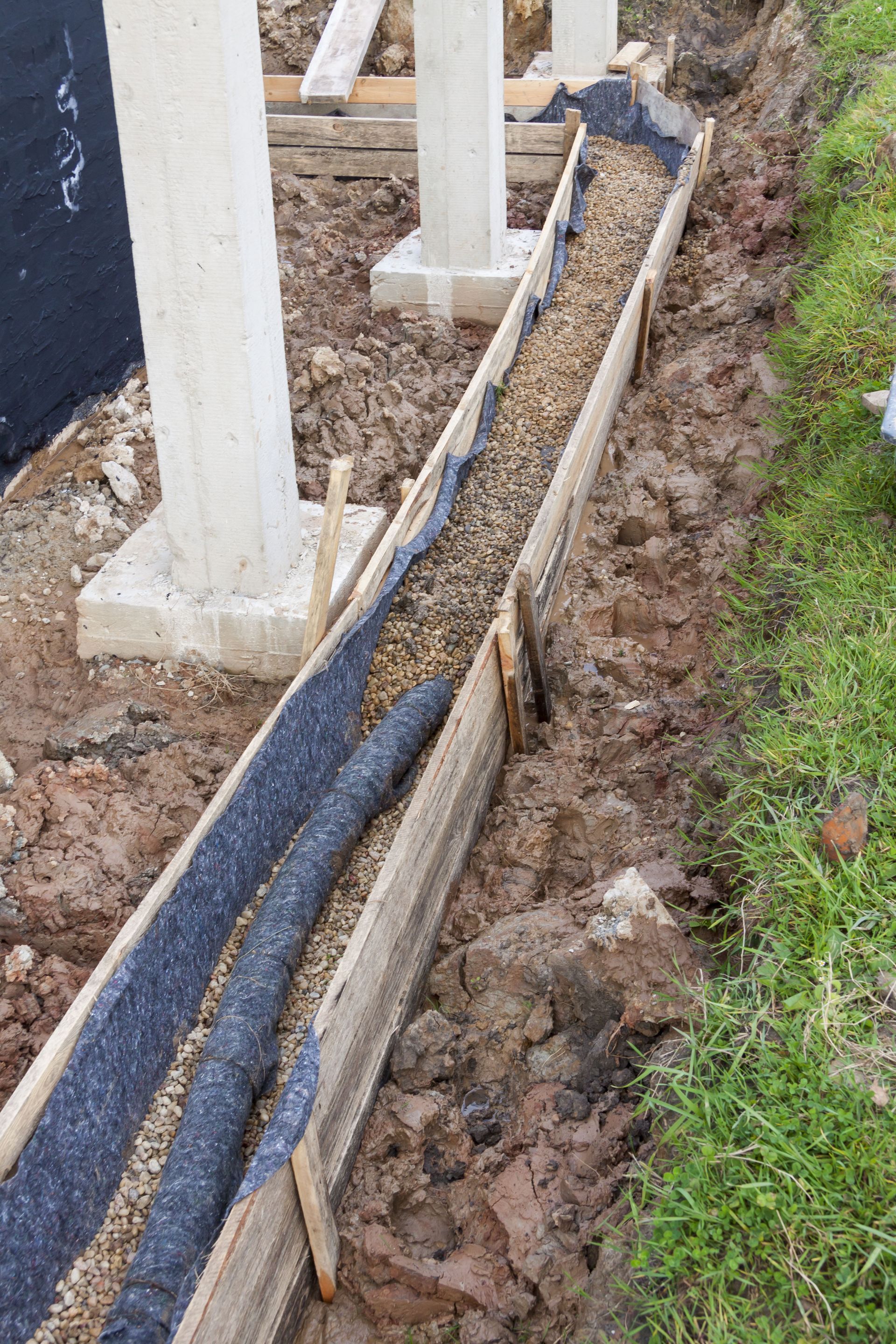
A French drain is a trench filled with gravel or stone that contains a perforated pipe designed to move excess water away from a specific area. The system creates a path where water can travel more efficiently, preventing pooling near foundations, yards, and other structures.
The primary purpose of a French drain is to reduce water-related problems caused by poor soil drainage or heavy rainfall. By directing water to a safe discharge location, French drains help prevent erosion, flooding, and structural damage.
History and Design
The French drain concept dates back to the 19th century and is associated with Henry Flagg French, who described the method in his 1859 book, “Farm Drainage.” Although materials have improved over time, the basic principle of using gravity and drainage pathways remains the same.
Modern French drains typically include a sloped trench, gravel or crushed stone, a perforated pipe, and filter fabric. This design allows water to enter the pipe while preventing soil and debris from blocking the system.
Types of French Drains
Different French drain designs are used depending on the drainage problem. Surface French drains handle water collecting near the ground surface, while subsurface systems address groundwater concerns beneath lawns, gardens, and foundations.
Professional installers, including experienced local plumbing companies, can evaluate soil conditions and water flow patterns to recommend the most suitable type of French drain. Choosing the correct system improves performance and reduces future maintenance issues.
How French Drains Work
Drainage Process
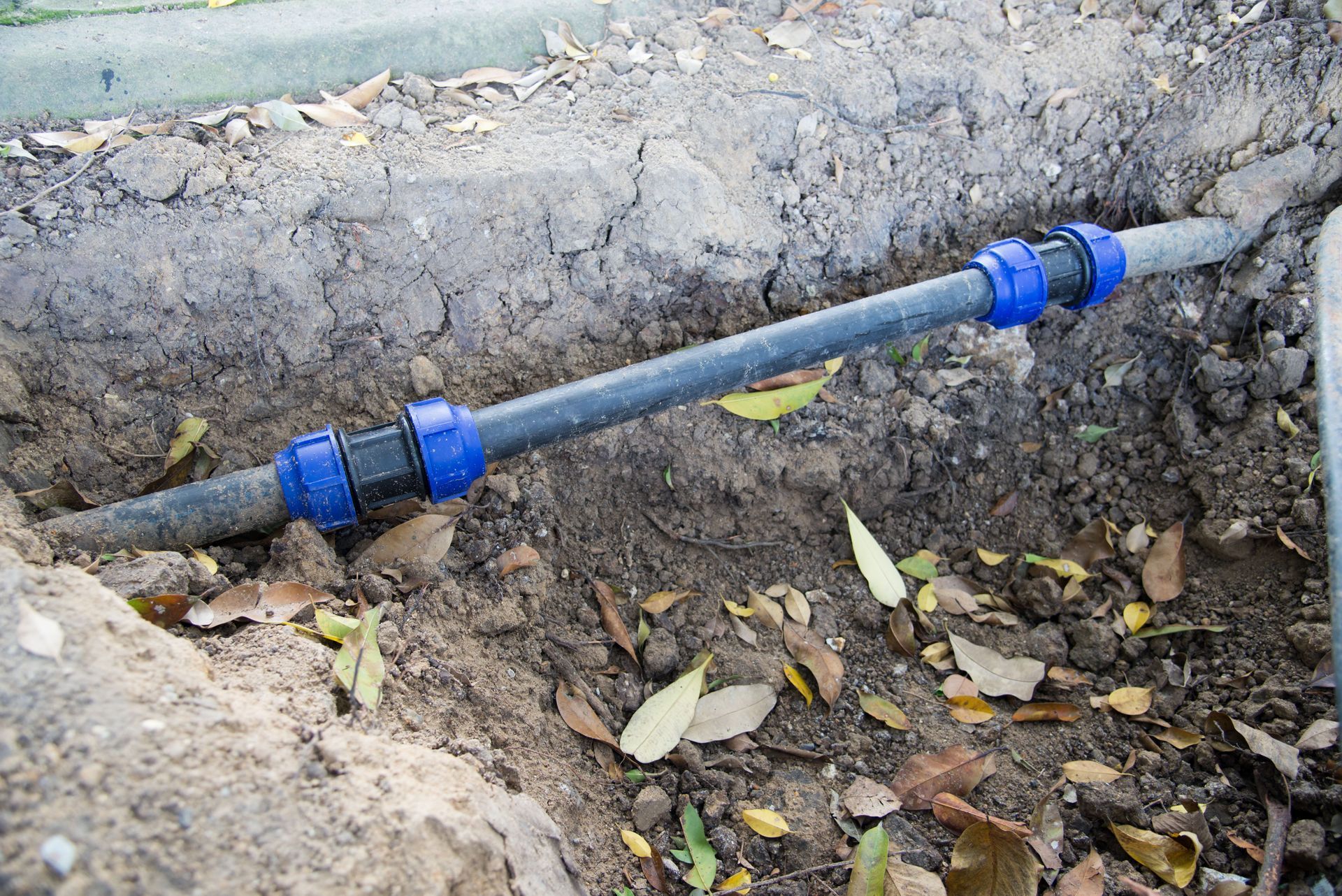
French drains work by using gravity to move water through a perforated pipe placed inside a gravel-filled trench. As water enters the gravel area, it flows into the pipe and travels toward an outlet point away from the home.
The effectiveness of a French drain depends on proper installation, including the correct slope, trench depth, and placement. A poorly designed system may fail to remove water effectively and could create additional drainage problems.
Key Components
Several components work together to create an efficient French drain system. The gravel surrounding the pipe improves water movement, while the perforated pipe collects and redirects water. Filter fabric helps prevent sediment from entering the system and reducing its efficiency.
High-quality materials and proper construction methods are important for long-term performance. Homeowners often consult local plumbing companies to ensure the drain is installed correctly and meets drainage requirements.
Installation Process
Installing a French drain begins with identifying areas where water collects and planning a suitable drainage route. The trench is then excavated, lined with protective fabric, filled with gravel, and fitted with a perforated pipe before being covered.
According to U.S. News, French drains can last between 30 and 40 years when installed correctly. Proper installation and regular maintenance help homeowners maximize the lifespan and effectiveness of their drainage systems.
Benefits of French Drains for Homeowners
Flood Prevention
One of the biggest advantages of French drains is their ability to reduce flooding risks. By moving excess water away from basements, crawl spaces, and yards, they help protect homes during periods of heavy rainfall.
French drains are especially useful when combined with other drainage solutions. Local plumbing companies can help homeowners create a complete water management plan that addresses multiple sources of moisture around the property.
Foundation Protection
Water collecting around a foundation can cause cracks, leaks, and structural problems over time. French drains provide a barrier against these issues by redirecting water before it can create pressure against the foundation.
Protecting the foundation can save homeowners significant repair costs in the future. A properly installed drainage system improves the overall stability and durability of a property.
Improved Landscaping
Excess water can damage grass, plants, and outdoor areas by creating muddy conditions and encouraging erosion. French drains help maintain healthier landscapes by controlling moisture levels and preventing standing water.
Many homeowners integrate French drains into landscaping projects because they can be designed to blend with gardens and outdoor features. Local plumbing companies can provide guidance on creating drainage systems that support both appearance and function.
Potential French Drain Problems and Solutions
Clogging Issues
Although French drains are designed for durability, they can experience problems if debris, sediment, or roots enter the system. Clogs reduce water flow and may cause pooling around the property.
Routine inspections and occasional cleaning help prevent major drainage failures. Local plumbing companies can assess clogged systems and provide professional maintenance to restore proper water movement.
Installation Mistakes
Incorrect installation is one of the most common reasons French drains fail. Problems such as improper slope, insufficient trench depth, or poor material selection can prevent the system from working effectively.
Professional installation helps ensure the drain is built according to property conditions and drainage requirements. Experienced local plumbing companies understand how soil type, rainfall patterns, and landscape design affect French drain performance.
Recognizing Drainage Failures
Homeowners should watch for signs that a French drain is not functioning properly. Common warning signs include standing water, slow drainage after storms, wet areas near foundations, and damaged landscaping.
Addressing these problems early can prevent more expensive repairs. Regular evaluations allow homeowners to identify issues before the drainage system experiences significant failure.
Seasonal Maintenance
French drains require attention throughout the year to maintain reliable performance. Falling leaves, freezing temperatures, and seasonal storms can affect how well the system manages water.
Cleaning drain openings, checking outlets, and removing debris help prepare the system for changing weather conditions. Local plumbing companies can provide seasonal inspections to keep drainage systems operating efficiently.
Cost Considerations for French Drains
Installation Investment
The cost of installing a French drain depends on factors such as property size, soil conditions, materials, and project complexity. While installation requires an upfront investment, the protection it provides can help prevent expensive water damage repairs.
Professional installation may cost more initially, but skilled workmanship improves reliability and reduces the chance of future problems. Homeowners should consider drainage improvements as a long-term investment in property protection.
Long-Term Savings
French drains can help homeowners avoid costly repairs associated with foundation damage, flooding, and erosion. By controlling water before it reaches vulnerable areas, these systems reduce the risk of major structural issues.
Routine maintenance is generally affordable compared with repairing extensive water damage. Working with local plumbing companies can help homeowners maintain their systems and protect their investment over time.
Comparing Drainage Options
French drains are one of several options available for managing excess water. Other solutions may include surface drains, sump pumps, or grading improvements, depending on the property’s needs.
The best drainage solution depends on factors such as water volume, soil conditions, and the location of the problem. A professional evaluation can help determine whether a French drain provides the most effective approach.
French drains provide an effective way to manage excess water and protect homes from damage caused by poor drainage. By redirecting water away from foundations, landscapes, and structures, these systems improve property safety and long-term durability.
Choosing the right drainage solution requires careful planning, proper installation, and ongoing maintenance. Working with trusted local plumbing companies can help homeowners create reliable systems that reduce water problems and protect their investment for years to come. For more information, contact Arkansas Piping Systems.