June 25, 2026
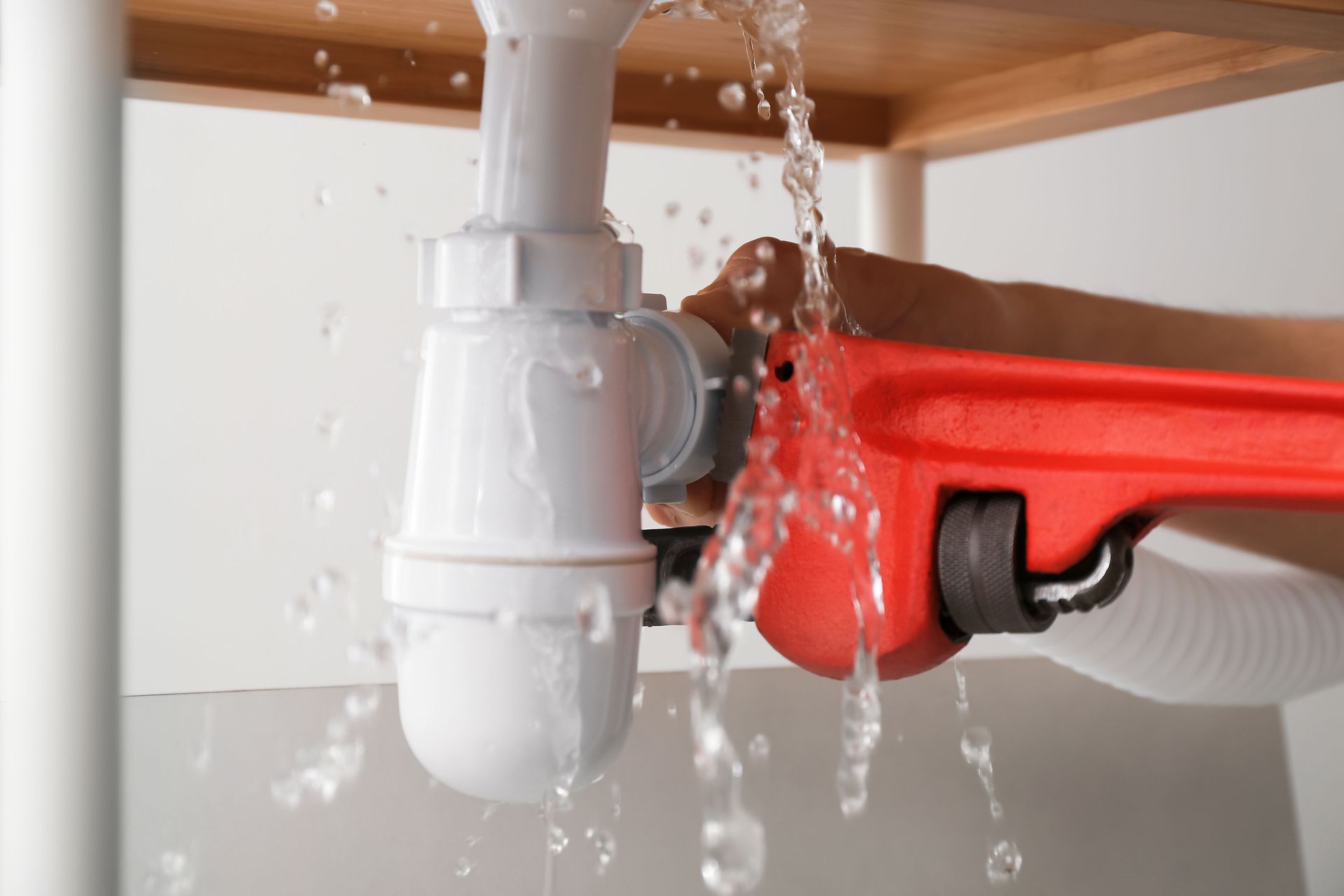
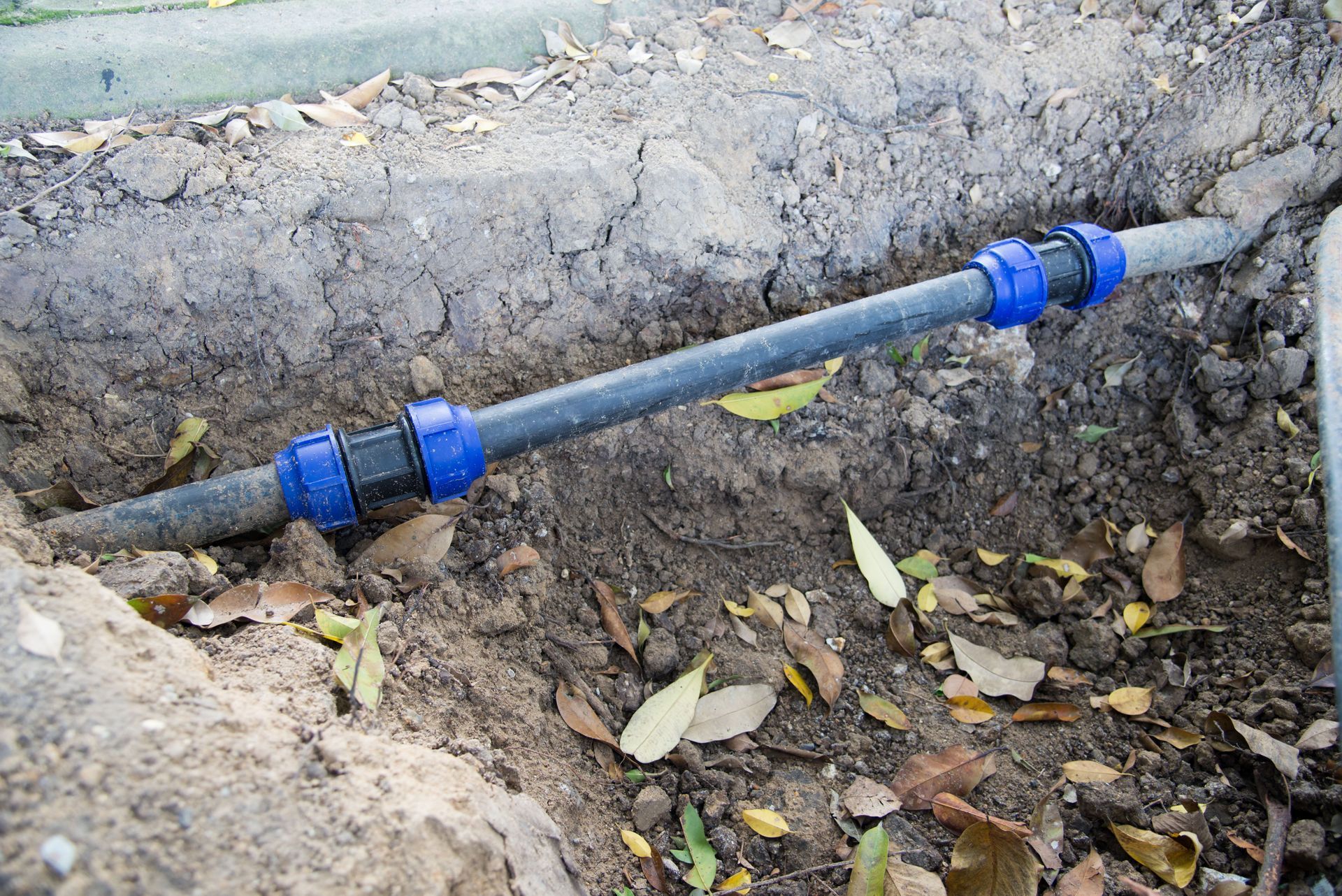
Timely repair of water lines is critical for maintaining the integrity and value of any property. Delaying necessary repairs can lead to a cascade of problems, not only impacting the functionality of the plumbing system but also creating broader health, financial, and environmental issues. In this article, we will explore the numerous complications arising from delayed water line repairs and emphasize the importance of regular maintenance to mitigate these risks.
Increased Water Contamination Risks
Introduction to Contamination
When water lines remain unrepaired, contamination becomes a significant threat. Broken pipes can allow harmful substances, such as bacteria, chemicals, and other pollutants, to enter the water supply. This contamination can occur due to cracks in the pipes or through faulty connections, especially if the water system is not sufficiently pressurized. As a result, the water quality diminishes, posing severe health risks to the residents. Therefore, understanding the potential for contamination underscores the need for prompt repairs.
Impact on Household Water Quality
The quality of household water is directly influenced by the condition of its distribution system. Contaminated water can lead to unpleasant tastes, visible particles, and an unpleasant odor, affecting everyday household activities such as cooking, cleaning, and bathing. Water safety becomes uncertain, and residents find themselves relying more on bottled water, which not only adds to personal expenses but also generates more plastic waste. Effective maintenance of water lines ensures that the household water remains clean and safe. Ensuring that pipes are repaired promptly keeps water quality intact, maintaining the household's operational efficiency.
Health Hazards to Residents
Contaminated water poses various health risks, including gastrointestinal illnesses, skin infections, and more severe long-term health issues. Young children, the elderly, and individuals with compromised immune systems are particularly vulnerable. The potential for harmful microorganisms, such as E. coli, to proliferate in a compromised water system necessitates immediate attention to water line leaks. Homeowners must prioritize water line repair to safeguard their family's health, as the costs of medical care from waterborne illnesses can be substantial. Regular inspection and maintenance can prevent such risks, ensuring a healthy living environment.
Complications for Surrounding Environment
A leaking water line doesn't just affect personal property; it has broader environmental implications. Unchecked leaks can contribute to soil erosion, impacting local vegetation, and destabilizing the grounds around the property. Additionally, water escaping into the environment can harm local wildlife by altering their natural habitats and availability of clean water sources. Environmental degradation due to delayed repairs can also lead to increased pollution, as the excess water may carry pollutants away from the property and into natural waterways. Thus, timely repairs are essential not only for household integrity but also for protecting the environment.
Steps for Preventing Contamination
Preventing contamination is best achieved through proactive water line maintenance and inspection. Regularly checking for leaks and promptly addressing identified issues can ensure the system remains sealed from potential contaminants. Homeowners should employ qualified professionals to conduct thorough assessments of their water systems, ensuring that pipes are in good condition and connections are secure. Additionally, installing water purification systems can serve as a supplementary measure to protect against unforeseen contamination issues. Educating residents on the importance of water safety can also encourage proactive measures to prevent contamination.
Escalating Repair Costs
Overview of Repair Cost Growth
The financial implications of delayed water line repairs can be extensive and overwhelming. What starts as a minor leak may only require a simple repair, but if ignored, it can escalate into more significant damage requiring extensive renovation and higher costs. When left unrepaired, water line issues can impact not just plumbing but also damage structural components such as walls and floors. As the extent of the damage widens, the expense of restoration increases exponentially. Early intervention is the best strategy to keep repair costs manageable and avoid unforeseen financial burdens.
Comparison Between Immediate and Delayed Costs
Addressing water line repairs immediately tends to be far less costly than postponing them. When homeowners act promptly on small issues, they prevent the escalation of problems and the subsequent need for costly overhauls. Conversely, delaying repairs can lead to compounded damage that might require replacing entire plumbing segments instead of repairing them, or worse, extensive reconstruction of damaged property parts. The costs associated with consequential damage, including the expenses for temporary relocation during major repairs, can be avoided with timely intervention. This proactive approach ensures homeowners save money and avoid financial distress.
Factors Contributing to Increased Costs
Several factors contribute to the rising costs of delayed repair services, including inflation in labor and material costs over time. Additionally, neglect can lead to more complex repair needs, such as mold remediation or structural repairs, which are inherently more expensive than simple fixes. The longer a problem persists, the more extensive the inspection and replacement process becomes, further driving up the costs. Insurance premiums may also rise for properties with a history of unresolved issues, adding another layer of financial strain. Consequently, maintaining water lines becomes a more cost-effective solution than facing the financial spiral of postponed repairs.
Budgeting for Unexpected Expenses
Estimating potential repair costs and setting aside a reserve fund is crucial for handling unexpected water line repairs efficiently. Homeowners should evaluate their plumbing scenarios annually and save a small percentage of their budget for emergencies. This foresight prevents financial distress when repairs become necessary and ensures that funds are available for prompt action. Additionally, understanding potential financial impacts from possibilities of leaks helps homeowners prioritize maintenance tasks over luxury upgrades. This proactive financial management facilitates sustainable property care without disrupting the household's economy.
Smart Financial Planning Tips
Implementing smart financial planning strategies can help mitigate the impacts of unexpected water line repairs. Regularly reviewing water bills for spikes in usage can indicate potential leaks that need addressing. Homeowners should consider routine maintenance contracts with plumbing professionals, as these often come with cost-saving benefits and priority service in emergencies. Insurance coverage should be thoroughly reviewed to ensure it includes plumbing-related issues, potentially saving significant costs during emergencies. Diversifying savings into emergency funds designed explicitly for home maintenance can reduce reliance on credit or high-interest resources in dire situations. Adopting these strategies could lead to long-term savings despite unforeseen repair needs.
Structural Damage to Property
Understanding Structural Risks
Unaddressed water line issues can lead to significant structural damage to a property. Water leaks, when persistent, can result in damage that weakens the foundational structure and invites further complications. This structural degradation occurs over time as water soaks through building materials, causing them to expand, contract, or eventually degrade. Understanding these risks highlights the importance of vigilance in recognizing and repairing water line leaks. A prompt response mitigates the long-term structural integrity threats widely caused by neglecting leaks.
Timely repairs of water lines ensure a myriad of benefits ranging from cost savings to enhanced living and working environments. As the consequences of delayed repairs highlight – whether through health, environmental impact, or financial strain – the importance of proactive maintenance cannot be overstated. According to This Old House, the typical American home leaks about 10,000 gallons of water annually. By addressing issues promptly, homeowners and businesses reduce risks, preserve property value, and contribute positively to broader community and ecological stability. Prioritizing water line repair reinforces a commitment to sustainability, responsibility, and stewardship, aligning care with modern expectations for civil harmony and wellbeing. Be sure to reach out to Arkansas Piping Systems today to learn more about our professional water line repair!