April 14, 2026
Water line deterioration can have serious consequences for homes, businesses, and the surrounding environment, making it essential to address issues promptly and professionally. This article explores the strategies and techniques that experts use to ensure reliable, efficient water line repair — from the initial assessment all the way through site restoration. Understanding how professionals approach this work helps homeowners and property managers make informed decisions about maintaining one of their most critical systems.
Understand the Importance of Water Line Maintenance
Routine maintenance is the foundation of a healthy water system, and professionals consistently emphasize its value in preventing larger, more disruptive problems. Protective coatings, scheduled inspections, and timely replacement of aging infrastructure all help preserve the integrity of water lines over time. When maintenance is prioritized, the lifespan of water infrastructure increases significantly, reducing the need for emergency repair.
Water line damage most commonly stems from corrosion in older pipes, root intrusion from nearby trees, and ground movement caused by construction or seismic activity. Early warning signs include unexplained increases in water bills, discolored water, reduced water pressure, and wet spots appearing in the yard. Catching these indicators early allows professionals to intervene before minor issues become major failures. Neglecting these signs, on the other hand, can lead to contamination risks and significant water wastage — outcomes that affect both property owners and the broader community.
Conduct a Thorough Initial Assessment
Before beginning any repair, professionals invest significant time gathering detailed information about the system to ensure a precise and effective approach. This preparatory step often involves reviewing blueprints, previous maintenance records, and any documentation of past repairs, as well as consulting with property owners about unusual issues or recurring problems. Understanding the system’s history and layout helps technicians pinpoint potential weak spots and anticipate challenges before work begins. This careful groundwork transforms the repair process from reactive to proactive, ensuring that every subsequent step is informed by accurate, comprehensive data rather than guesswork.
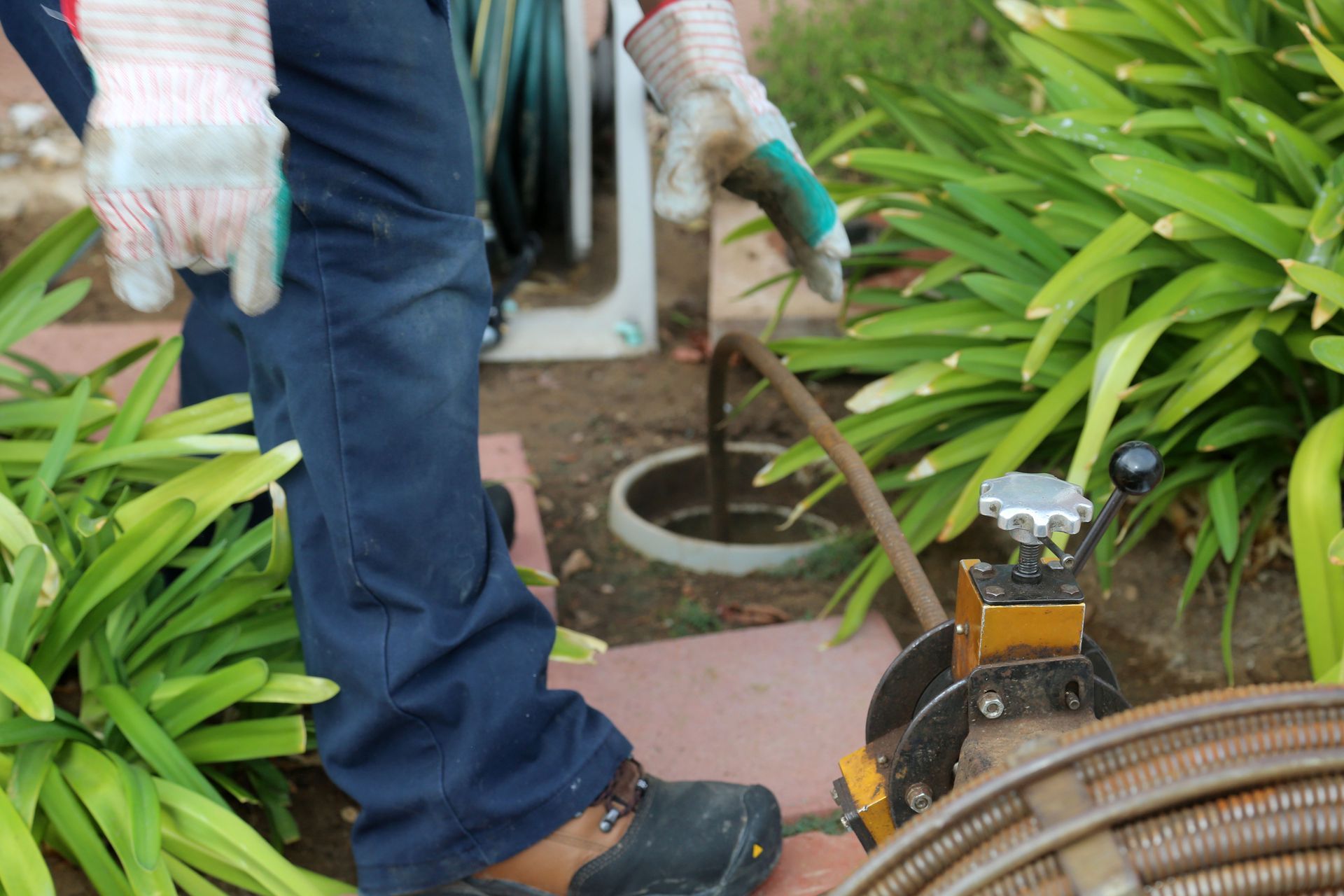
Following the initial research, a combination of visual and technological inspections is conducted to identify both obvious and hidden issues. Technicians begin by examining affected areas for surface indicators such as damp spots, cracks, or standing water. Advanced diagnostic tools are then employed to uncover less visible problems: acoustic listening devices detect subtle pressure fluctuations indicating leaks, thermal imaging reveals hidden moisture by highlighting temperature variations, and CCTV cameras provide live footage of the interior of pipes. Pressure tests further confirm system integrity and reveal specific weaknesses. By combining these methods, professionals gain a complete understanding of the damage and can develop a targeted repair plan that addresses both immediate issues and long-term system reliability.
Leverage Advanced Tools and Technologies
Technology has transformed water line repair, making the process faster, more accurate, and far less disruptive than it once was. Trenchless repair methods such as pipe bursting and cured-in-place piping (CIPP) allow professionals to address damage with minimal excavation — a major advantage in urban settings where traditional digging would disrupt traffic and daily routines. Ground-penetrating radar helps map underground utility lines precisely, reducing the risk of accidental damage to surrounding infrastructure.
Smart water meters and continuous monitoring systems add another layer of capability by flagging unusual usage patterns that may point to hidden leaks. According to the U.S. Bureau of Labor Statistics, employment of plumbers, pipefitters, and steamfitters is projected to grow 4 percent from 2024 to 2034 — a reflection of how rising demand for technically skilled professionals is shaping the industry. As water systems grow more complex and technology-driven, the professionals performing repairs must stay current with the tools and methods that deliver the best outcomes.
Follow a Step-by-Step Repair Process
Effective water line repair follows a carefully planned sequence that prioritizes safety, efficiency, and minimal disruption to the property. The process begins by isolating the affected section of the line, shutting off water flow to that area while keeping the remainder of the system operational. This approach not only prevents further water loss but also ensures a controlled and safe working environment for the repair team. Proper isolation allows plumbers to accurately assess the issue, whether it’s a minor leak or a more significant rupture, and determine the best repair strategy without impacting the property’s overall water supply.
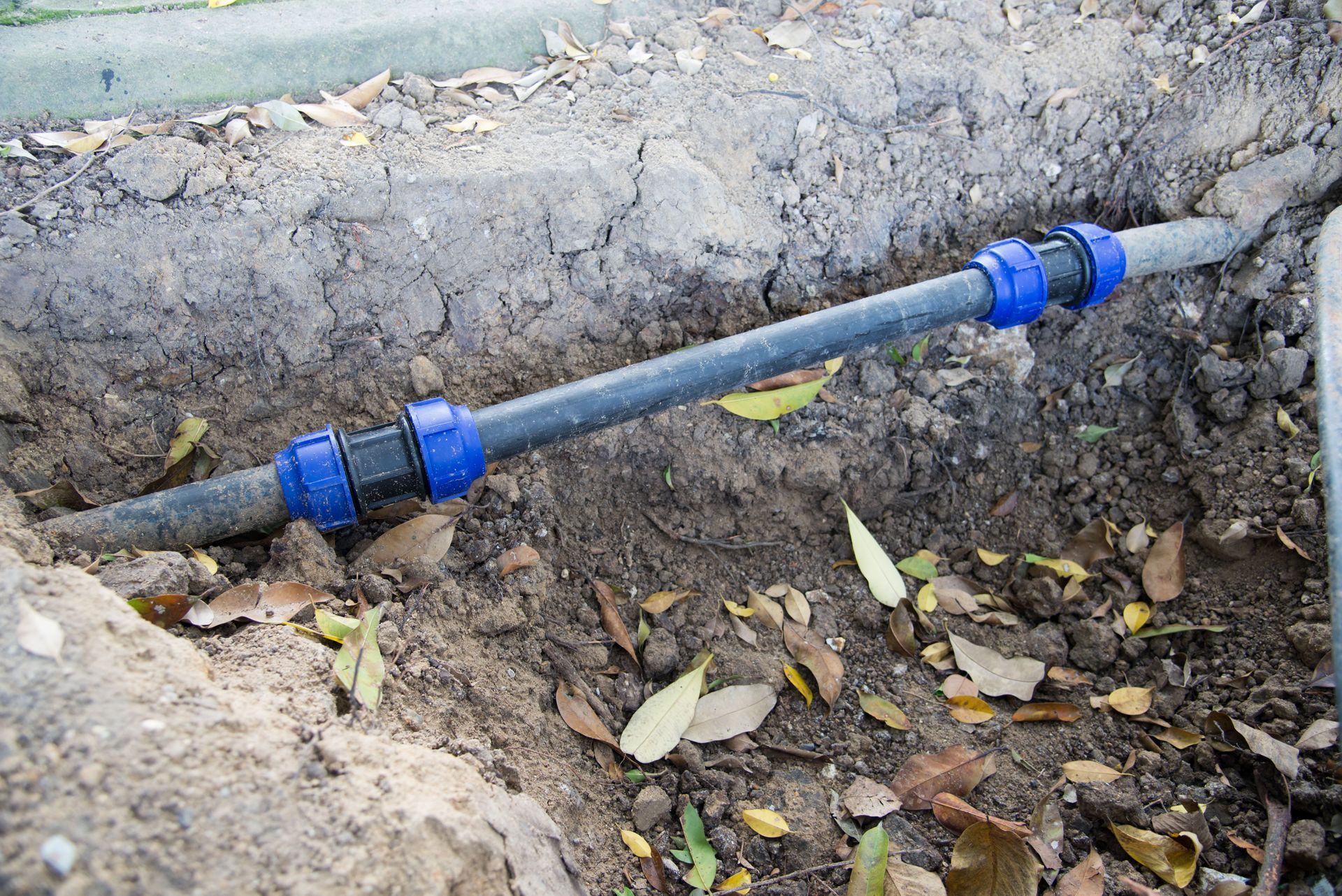
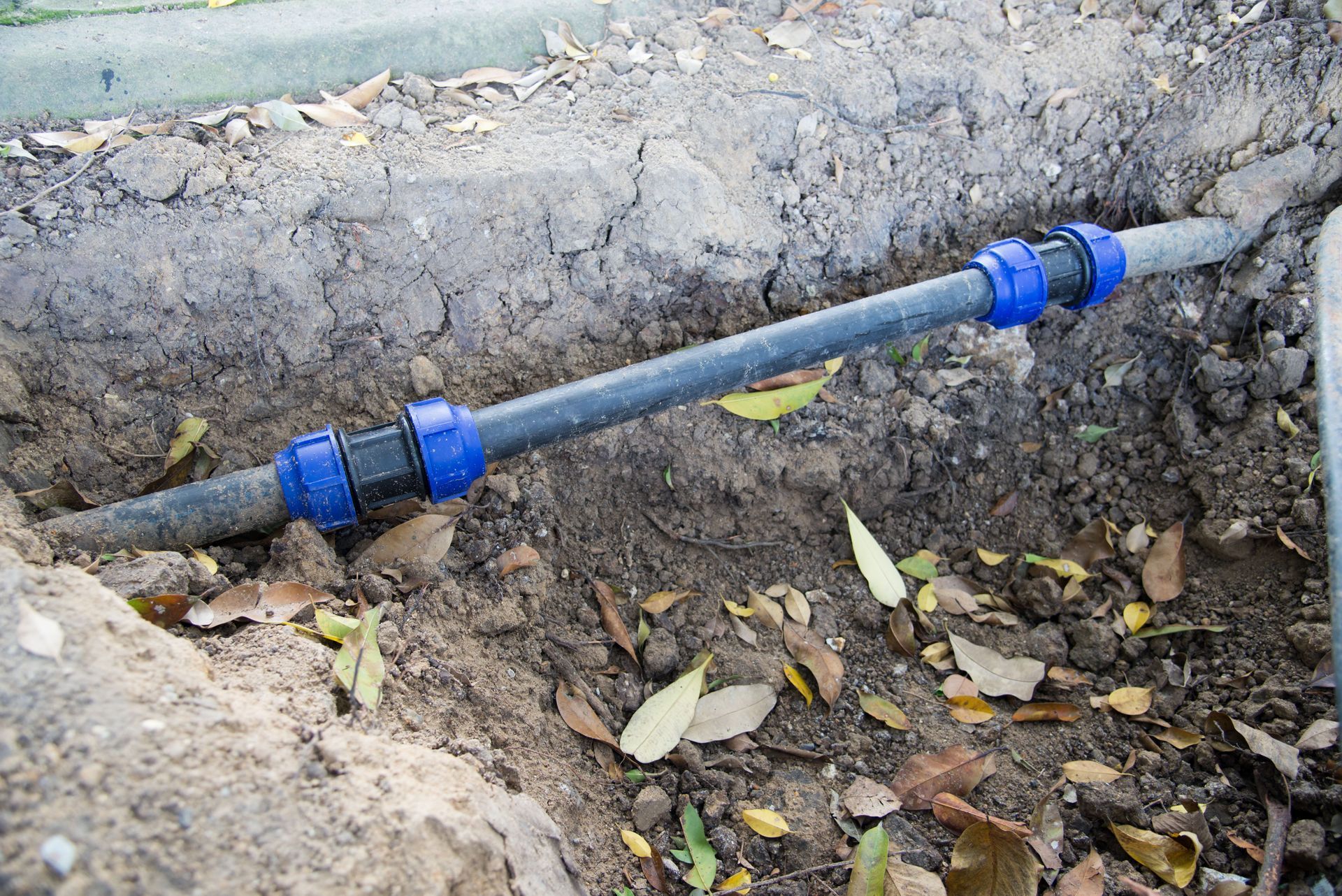
Once the problem area is accessed, either through excavation or trenchless methods, the repair itself is tailored to the severity of the damage. Minor leaks may be addressed with specialized pipe clamps or epoxy coatings, while severely damaged sections often require full replacement of the pipe. Material selection, including PVC, copper, or galvanized steel, is matched to the existing infrastructure and intended durability. After completing the repair, the system undergoes pressure and flow testing to confirm that it is fully operational. The final step involves restoring the site, which can include compacting soil, repairing landscaping, and repaving surfaces as necessary, leaving the property both functional and aesthetically restored.
Prioritize Compliance, Safety, and Environmental Responsibility
Every repair project must meet local regulatory requirements, including permit conditions, safety standards, and approved repair methods. Professionals stay informed on current codes to ensure that all work is legally compliant and that no additional complications arise after the project is complete. Non-compliance can lead to significant setbacks, making regulatory awareness a non-negotiable part of professional practice.
On the job site, safety protocols protect both workers and bystanders. Proper personal protective equipment, clear boundary signage, and regular safety briefings are standard practice. Environmental responsibility is equally important — used materials and construction debris must be disposed of according to environmental regulations, and sustainable alternatives are increasingly preferred. Trenchless technologies, eco-friendly repair compounds, and responsible water management all contribute to reducing the environmental footprint of water line repair. Educating clients on early warning signs and best maintenance practices helps extend the life of repairs and reduces the need for future interventions.
Apply Lessons From Real-World Projects
Experienced professionals continuously refine their approach to water line repair by drawing on past projects. Complex repairs — particularly those in ecologically sensitive areas or with unique pipe configurations — often require creative, minimally invasive solutions that push the boundaries of standard methods. Reviewing project outcomes helps teams identify what worked, what didn't, and how protocols can be improved going forward.
Client feedback plays an important role in this process as well. Clear communication, transparent explanations of the repair process, and consistent follow-through build long-term relationships. Satisfied clients are more likely to return for future maintenance needs and refer others, which reinforces the value of quality workmanship. The evolution of water line repair over time — from labor-intensive excavation to remote diagnostics and trenchless technologies — reflects an industry that learns from experience and continues to raise its standards.
Effective repair depends on a combination of technical expertise, advanced tools, and a disciplined approach to every phase of the process. Professionals who understand both the science and the craft of water line repair are better equipped to deliver lasting, reliable results. From early detection to final site restoration, each step matters and contributes to the long-term health of your water system.
If you are ready to have your water line inspected or repaired by experienced professionals, contact us at Arkansas Piping Systems today. We will help you identify the right solution for your system and guide you through every step of the repair process.